Consciousness
The Matrix Theory: Separating Spiritual Symbolism from Modern Consciousness
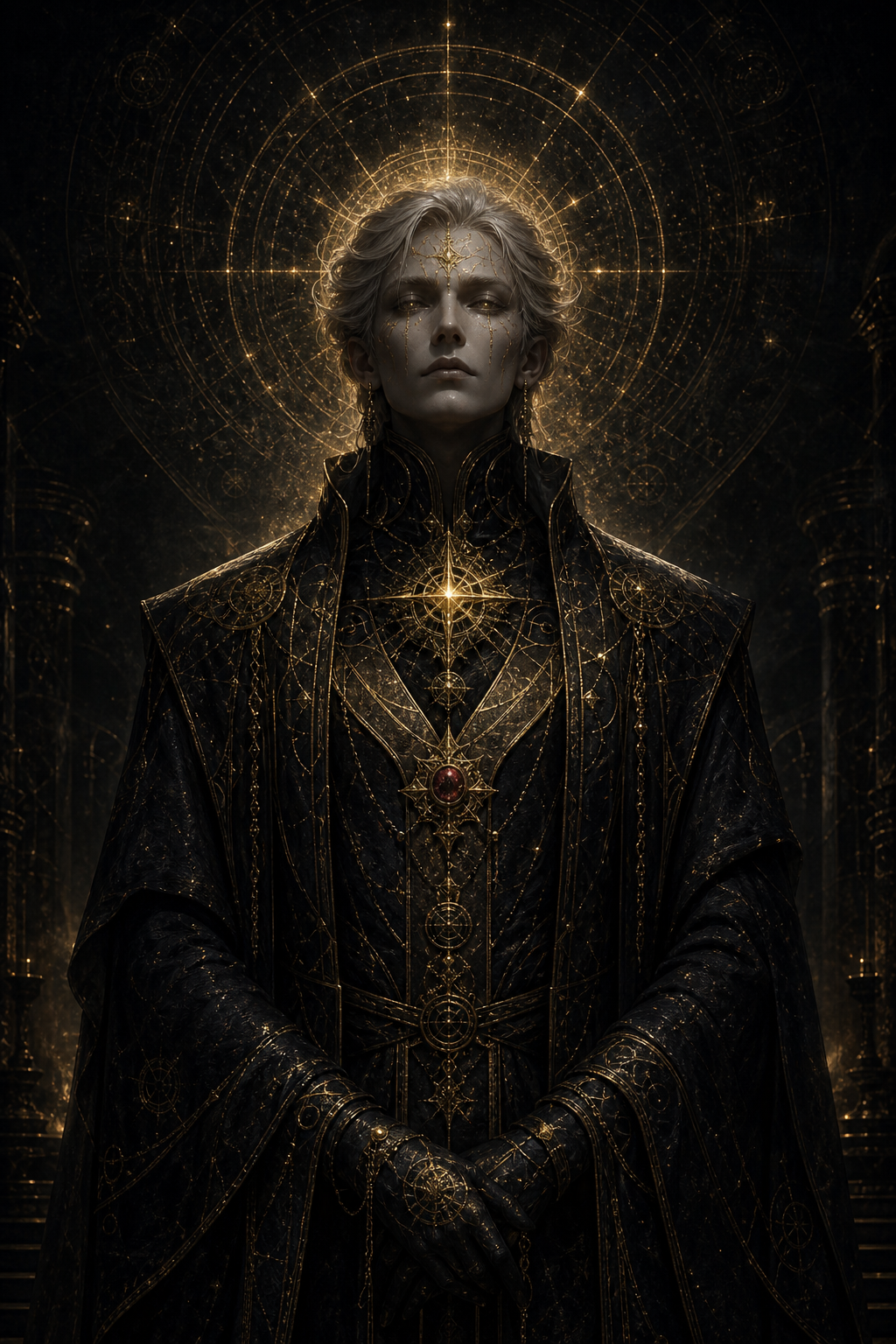
The phrase "The Matrix" has become one of the most recognizable concepts in discussions about spirituality, philosophy, and consciousness. While many people immediately associate it with the famous science fiction film franchise, the idea has evolved far beyond popular entertainment. Today, "The Matrix" is often used as a metaphor for the systems, beliefs, and patterns that shape the way we perceive reality.
But what exactly does the Matrix Theory mean in spiritual discussions? Is it meant to describe a literal hidden reality, or is it simply a symbolic framework for understanding human consciousness?
The answer depends largely on personal beliefs. However, separating symbolism from interpretation allows us to better understand why this concept continues to resonate with so many people.
What Is the Matrix Theory?
In modern spiritual conversations, the Matrix Theory generally refers to the idea that many aspects of human life are influenced by deeply ingrained systems of thinking. These systems may include cultural expectations, social conditioning, personal habits, limiting beliefs, and unconscious patterns developed throughout life.
Rather than viewing the Matrix as a physical machine or an invisible prison, many people interpret it as a symbolic representation of the mental frameworks that influence our decisions, perceptions, and behaviors.
This perspective encourages individuals to question assumptions they may have accepted without reflection and to become more intentional about how they live.
The Matrix as a Symbol
Symbols have always played an important role in philosophy, literature, and spiritual traditions. The Matrix is often viewed as one such symbol—a way of illustrating how people can become disconnected from their authentic values or deeper sense of purpose.
From this viewpoint, the Matrix represents:
Automatic habits and routines
Limiting beliefs about oneself
Fear-based decision-making
External pressures and expectations
Attachment to material success alone
Living without self-reflection
The symbolism suggests that genuine growth begins when individuals become aware of these influences and consciously choose their own path.
Modern Consciousness and Self-Awareness
Consciousness is a broad concept that has been explored by philosophers, psychologists, neuroscientists, and spiritual teachers for centuries. Although these fields approach the topic differently, they often share an interest in understanding how people experience themselves and the world around them.
Modern discussions about consciousness frequently emphasize:
Mindfulness
Emotional intelligence
Self-awareness
Personal responsibility
Intentional living
Within this context, the Matrix becomes less about escaping reality and more about becoming aware of the patterns that shape our daily lives.
For example, someone might realize that their career choices are driven entirely by external expectations rather than personal fulfillment. Another person may discover that long-held fears continue to influence important decisions without conscious awareness.
Recognizing these patterns can become the first step toward meaningful personal growth.
Why the Matrix Theory Appeals to So Many People
The popularity of the Matrix Theory reflects a broader interest in understanding identity, purpose, and human behavior.
Many people reach a point where they begin asking questions such as:
Why do I think the way I do?
Are my beliefs truly my own?
What motivates my decisions?
What does success actually mean to me?
Am I living intentionally or simply following routine?
The Matrix provides a memorable metaphor for exploring these questions without requiring a single interpretation.
For some individuals, it represents spiritual awakening. For others, it serves as a psychological framework for recognizing unconscious habits and assumptions.
The Role of Spiritual Symbolism
Across many spiritual traditions, symbolic language has long been used to explain experiences that are difficult to describe literally.
Concepts such as journeys, light, darkness, awakening, rebirth, and transformation often point toward inner experiences rather than physical events.
Similarly, many people use the Matrix as symbolic language to describe the process of becoming more conscious of one's thoughts, emotions, and behaviors.
Rather than encouraging fear or suspicion, this symbolic approach invites curiosity, reflection, and personal responsibility.
Critical Thinking Matters
While the Matrix Theory can be a useful metaphor for self-exploration, it is important to distinguish symbolic ideas from factual claims.
Many interpretations found online make extraordinary assertions about hidden forces or secret realities. These claims often extend beyond what can be verified and should be approached thoughtfully.
Maintaining a balance between open-mindedness and critical thinking allows individuals to explore philosophical and spiritual ideas without accepting every claim at face value.
Questions, reflection, and healthy skepticism are valuable companions on any journey of personal growth.
Living Beyond Automatic Patterns
Whether someone views the Matrix as spiritual symbolism, psychological metaphor, or simply an interesting philosophical concept, its central message often points toward greater awareness.
Breaking free from automatic patterns may involve:
Practicing mindfulness
Reflecting on personal values
Challenging limiting beliefs
Building healthier habits
Developing emotional resilience
Making intentional life choices
These practical steps encourage people to live with greater purpose and authenticity regardless of their spiritual beliefs.
Final Thoughts
The Matrix Theory continues to spark conversations because it addresses a timeless human question: Are we consciously creating our lives, or simply reacting to patterns we've never examined?
For some, the Matrix symbolizes the journey toward spiritual awakening. For others, it represents the psychological process of recognizing unconscious beliefs and choosing a more intentional path forward.
Ultimately, the value of the Matrix Theory lies not in proving whether it is literally true, but in the questions it inspires. By examining our assumptions, challenging automatic habits, and cultivating greater self-awareness, we can better understand ourselves and make choices that align with our values.
Whether approached through philosophy, psychology, or spirituality, the invitation remains the same: live with awareness, think critically, and continue exploring what it means to be fully conscious.